Muñurumbara dhaNairobi, Kayenda no mayimbo, hatungire mbunga dho hangaghu awa hapirire maghumbo. Ha tamburire kehe diyuwa edi dya vire. Mathikuthiku ghamweya, hangaghu wa harongere masharo ghawo gho kurara munyima dho kurara po no ghutenda. Mukutjidha ghutenda ha tumekire yitjoro. Mukatji ka wangaghu wa mwa karire mwanuke gho dina Magozwe. Aye gha karire yodiye gho mwanuke thikuma.
In the busy city of Nairobi, far away from a caring life at home, lived a group of homeless boys. They welcomed each day just as it came.
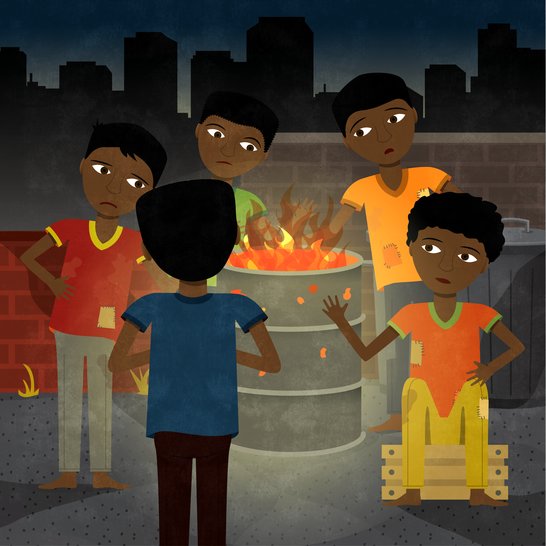
On one morning, the boys were packing their mats after sleeping on cold pavements. To chase away the cold they lit a fire with rubbish.
Among the group of boys was Magozwe. He was the youngest.
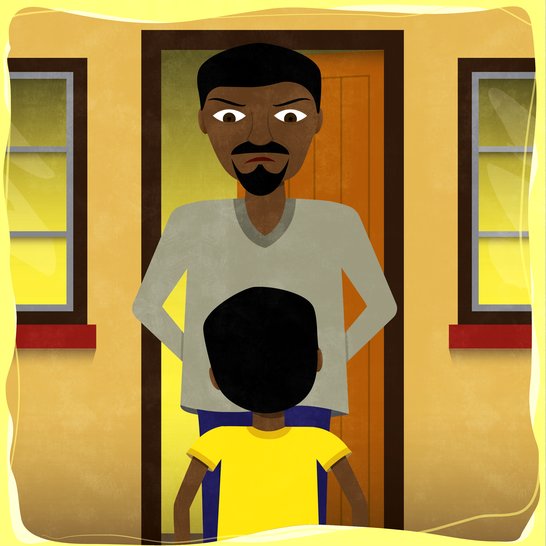
Apa hafire hakuru wa Magozwe, aye gha karire no myaka kwoko ngenyu. Gha yendire gha ka tunge na mwedyendi. Katughuru yu mbadi gha karire no thinga tho kwa mwanuke. Mbadi nga mupanga Magozwe yidya yokurikanya. Aye nga mupanga yirughana yoyingi.
When Magozwe’s parents died, he was only five years old. He went to live with his uncle. This man did not care about the child. He did not give Magozwe enough food. He made the boy do a lot of hard work.
Ilyo abafyashi bakwa Magozwe baafwile, aalifye ne myaka isaano. Aile mukwikala na banalume. Banalume tabapooseleko amaano kuli Magozwe. Taabaaleemupeela ifyakulya ifyakumanina. Baaleemupeela incito shakubomba ishingi.
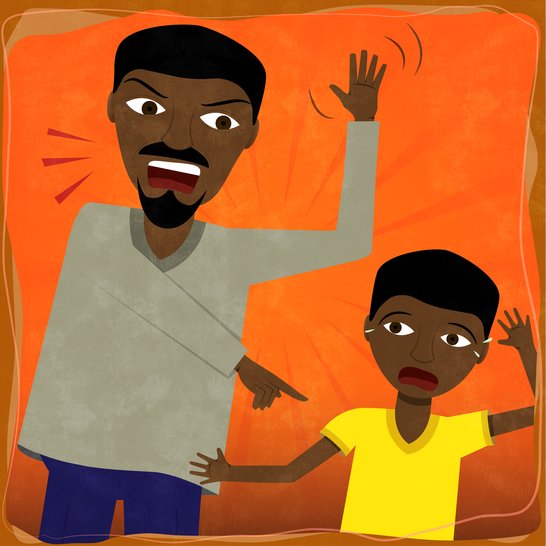
Ngeshi Magozwe kwipurako ngambi nga kushivana ne ku mupumura. Apa ghepure Magozwe, ngeshi ukona gha yende kushure, mwedyendi gha mupumure no kughamba eshi, “Ghomuyero thikuma we mbadi wakakona yikuhonga.” Papitire myaka dhihatu dho ghukaru ghu no Magozwe gha tjwayukire mwedyendi no gha tangire kurendarenda.
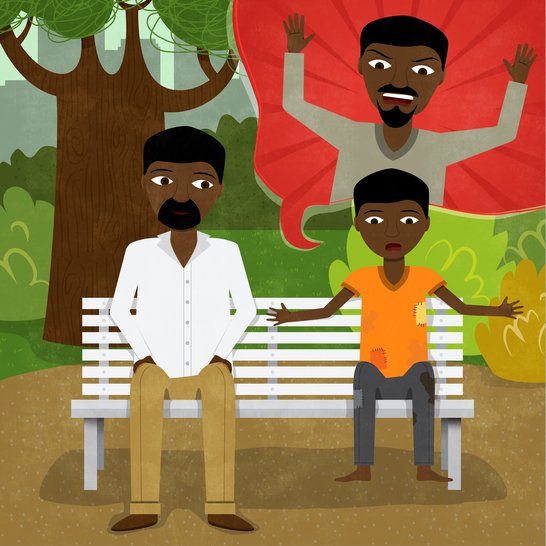
If Magozwe complained or questioned, his uncle beat him. When Magozwe asked if he could go to school, his uncle beat him and said, “You’re too stupid to learn anything.”
After three years of this treatment Magozwe ran away from his uncle. He started living on the street.
Nga Magozwe ati epushe nangu ukuilishanya, banalume baaleemuma. Ilyo Magozwe aipwishe palwa kuya ku sukulu, banalume baalimumine kabili baatiile, “Iwe tawakwata amaano. Tapali ico wingasambilila.” Panuma ya myaka itatatu iyakumusunga muli uyu musango, Magozwe aalibuutwike ukufuma pa ŋanda yaba nalume. Aatampile ukwikala mu musebo.
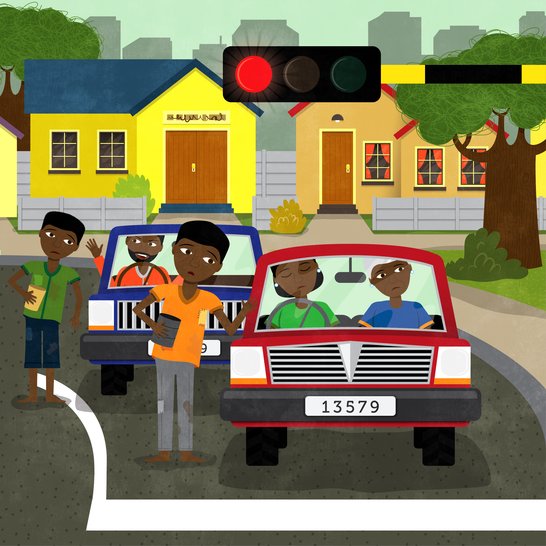
Yipara yo kurendarenda ne yikukutu no thingi tho hangaghu nga ha nyandanga kehe diyuwa mu kuwana yokudya. Maruvedhe ghamweya nga ha wakwatanga mudorongo, maruvedhe ghamwe ne kuwa puma. Opa nga ha korwanga, mbadiko yu oku wa ghamwena. Mbunga dhi dha kurupere tusherenyi otu nga ha wananga mukurombaromba kohanu no kughuritha yipapero. Yipara ya kukutire pamurandu gho yirwa no mambunga ghamweya gha wanyathi wagho awa ha shanine kuthighura mitara dho ñurumbara.
Street life was difficult and most of the boys struggled daily just to get food. Sometimes they were arrested, sometimes they were beaten. When they were sick, there was no one to help.
The group depended on the little money they got from begging, and from selling plastics and other recycling.
Life was even more difficult because of fights with rival groups who wanted control of parts of the city.
Ukwikala mu musebo kwali ukwayafya kabili abalumendo abengi baaleecuula cila bushiku pa kusanga icakulya. Inshiku shimo baaleebooma, shimbi baaleebeekata kuli bakapokola. Nga baalwala takwaleeba abakubaafwa. Ulupiya baaleesanga mu kulombalomba, mu kushitisha amapulasitiki na fimbi elwaleebaafwilishako. Ubuumi bwalyafisheko pantu amabumba yambi ayabalumendo yaaleefwaya ukupoka incende shapusanapusana mu tauni.
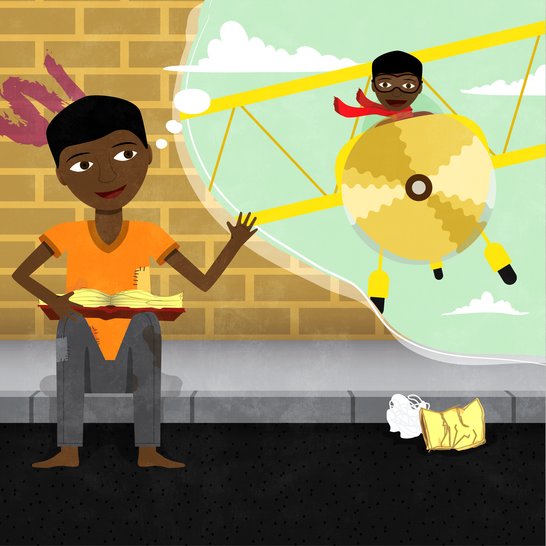
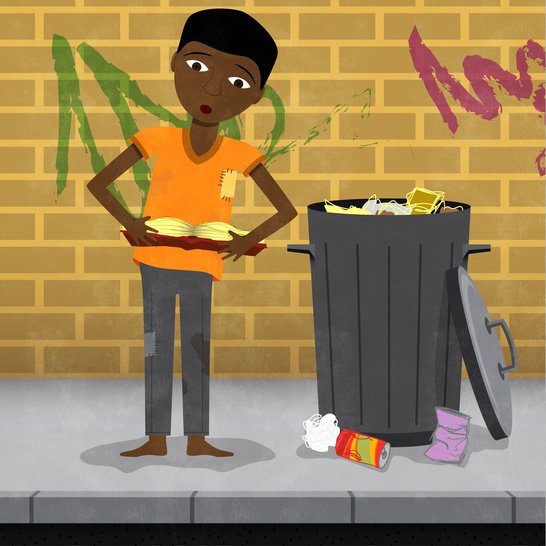
Diyuwa dimweya oku Magozwe ne pakurerarera muthingongoro tho kumwayera, gha wanine mbapira dho yithimwa dho kukurupara. Gha dhi shwayithire didhiro no ku dhi tura mushaka wendi. Kehe diyuwa nga shwayithanga mbapira no kurorera yiperende mu mbapira dhi. Aye mbadi gha dimukire kutoya mañando.
One day while Magozwe was looking through the dustbins, he found an old tattered storybook. He cleaned the dirt from it and put it in his sack.
Every day after that he would take out the book and look at the pictures. He did not know how to read the words.
Ubushiku bumo ilyo Magozwe aaleefwayafwaya mu fisooso, aasangile ibuuku ilyakale ilyalepauka. Aafumisheko ifiko aalibika na mwisaaka. Cila bushiku, aleefumya ibuuku no kwamba ukulolesha pa fikope. Taishibe ukubelenga.
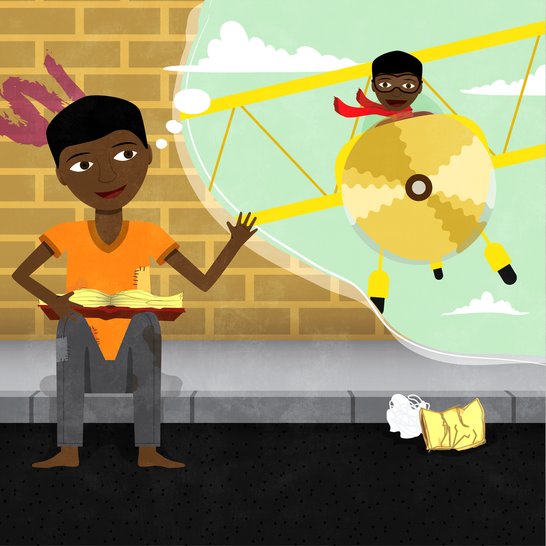
Yiperende yi ya thimwetwedhire yipara ya mungaghu yu gha karire muhingi gho manyunyi. Magozwe nga rotanga kukara muhingi gho manyunyi. Maruvedhe ghamweya, nga ghayaranga no kukuyuva yira yediye yu mungaghu muthithimwetwedhatjanga.
The pictures told the story of a boy who grew up to be a pilot.
Magozwe would daydream of being a pilot. Sometimes, he imagined that he was the boy in the story.
Ifikope fyaleelanga umulumendo uwaishileba kensha wandeke ilyo aakulile. Magozwe aaleeloota palwa kuba kensha wandeke na mu kasuba. Inshita shimo aleemona ukuti emulumendo wine uwa mwibuku.
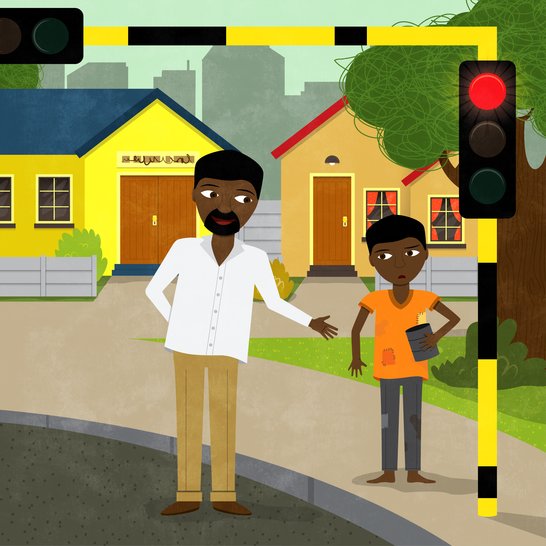
Kwa karire ghutenda no Magozwe ghemanine kuthitavura ghurombaghura. Katughuru ghumwe gheyire kukwendi. “Moro, yame Thomas. Kwarughananga pepi no pano, kudyango dyokukona ghuwane yokudya,” gha ghambire. Gha neyire ndhugho dho thina dihenga no yipereki yo thina diwuru. “Nakurupera shi kukona ghuyende ko ghukashimbe yokudya?” ghepurire. Magozwe gha kengire Katughuru yu no kukenga ndhugho dhi. “Ngwa kukona,” gha huthire mogha yenda.
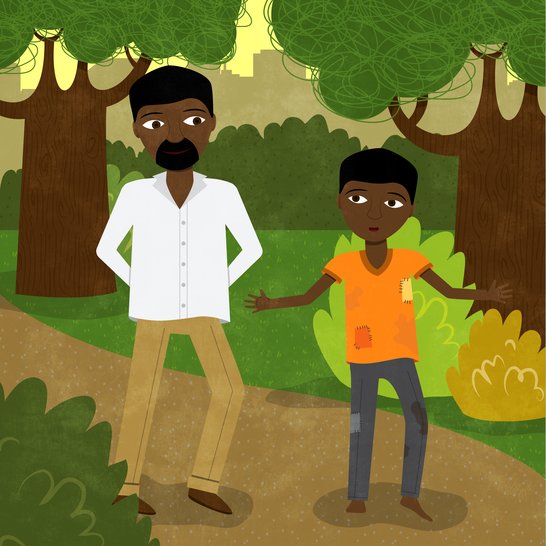
It was cold and Magozwe was standing on the road begging. A man walked up to him. “Hello, I’m Thomas. I work near here, at a place where you can get something to eat,” said the man.
He pointed to a yellow house with a blue roof. “I hope you will go there to get some food?” he asked.
Magozwe looked at the man, and then at the house. “Maybe,” he said, and walked away.
Kwalitaleele kabili Magozwe aiminine pa musebo aleelombalomba. Umwaume umo aishile mupeepi napo aali. “Uli shaani? Nine Thomas. Momba mupeepi napano, pa ncende wingapoka icakulya,” efyo aasosele. Asontele ku ŋanda iyamutuntula no mutenge wa makumbi-makumbi. “Ndesubila walaayapoka ifyakulya?” efyo aipwishe. Magozwe aaloleeshe Thomas elyo kabili aloleesha ku ŋanda. “Limbi ndeeya,” efyo ayaswike, afumanapo.
Mutughonda tokurandako, hangaghu wa ha shipiri maghumbo ha twayere kumonaghura Thomas. Gha hakire kughambaghura no hanu, thikumenena awa hatungire muyitarata. Thomas nga tereranga yithimwetwedha yoyipara yawanu. Aye gha karire no ghukaro gho ghuwa, dikuto no kupira kukununeka. Hangaghu hamweya hatangire kuyenda kundhugho dhi dhothina diwiru no thina dihenga hakashimbe yidya pa metaha.
Over the months that followed, the homeless boys got used to seeing Thomas around. He liked to talk to people, especially people living on the streets.
Thomas listened to the stories of people’s lives. He was serious and patient, never rude or disrespectful. Some of the boys started going to the yellow and blue house to get food at midday.
Imyeshi yakonkelepo, abalumendo baalibeeleshe ukumona Thomas. Alitemenwe ukulanda na bantu maka-maka abaaleikala mu musebo. Thomas aaleumfwa ilyashi pa buumi bwa aba bantu. Aaleepoosa amaano ku fintu kabili uwacikuuku no mucinshi. Abalumendo bamo, bayambile ukuya ku ŋanda ya mutuntula na Makumbi-makumbi mukupoka ifyakulya akasuba.
Magozwe gha hungumanine kumbadi dho thitavura ghurorera mbapira dhendi dho yiperende apa gheyire Thomas na hungumane pepi nendi. “Kupi tha hatera tho thithimwetwedhatjanga?” ghepure Thomas. “Tho kuhatera kwa mungaghu ghokuhinga manyunyi,” gha huthire Magozwe. “Yidye dina dyendi mungaghu yu?” ghepure Thomas. “Tjani, mbadi nadimuka kutoya,” ghahuthire Magozwe muthipore.
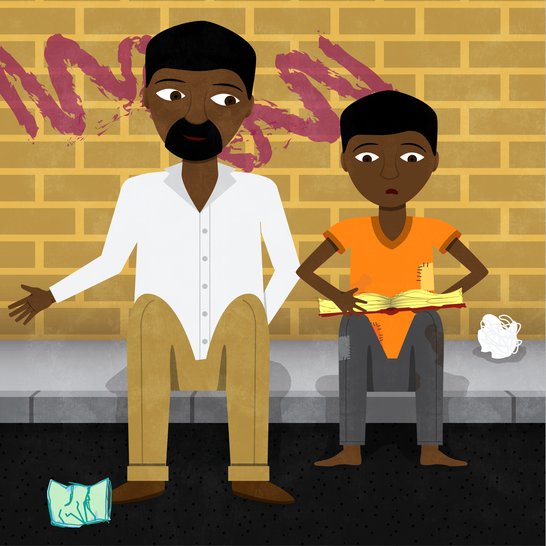
Magozwe was sitting on the pavement looking at his picture book when Thomas sat down next to him.
“What is the story about?” asked Thomas.
“It’s about a boy who becomes a pilot,” replied Magozwe.
“What’s the boy’s name?” asked Thomas.
“I don’t know, I can’t read,” said Magozwe quietly.
Apa ha kuwanine, Magozwe gha tamekire kuthimwetwedha yo kuhatera ku rupetho rwa mwedyendi oru rwa mutjwayurire mudimbo. Thomas mbadi gha ghambire yoyingi, no mbadi gha tongwere Magozwe eyi sho ghakone kutenda ene kehepa nga tereranga thiwana. Maruvedhe ghamwe nga ha kuvurekanga oku wo pakudya mundhugho dhi dho thina diwiru.
When they met, Magozwe began to tell his own story to Thomas. It was the story of his uncle and why he ran away.
Thomas didn’t talk a lot, and he didn’t tell Magozwe what to do, but he always listened carefully.
Sometimes they would talk while they ate at the house with the blue roof.
Ilyo baakumeene, Magozwe aatendeke ukweba Thomas ilyashi pa buumi bwakwe. Aamwebele ifyo aabuutwike ukufuma kuli banalume. Thomas taalaandile ifingi kabili taebele Magozwe ifyakucita lelo aaleumfwikishafye. Limo-limo baaleelanshanya ilyo baleelya mu ŋanda yamutenge wa Makumbi-makumi.
Pepi no mayuwa gho mushamurukero gho dikumi gha Magozwe, Thomas gha mupire mbapira dho dhipya dhothithimwedhatjanga. Mbapira dhi kwa hatere kwa mungaghu ghumwe oyu gha karire mupepi pari no thingi tho hanu ha mudimukire. Thomas nga toyeranga Magozwe thithimwetwedha thi rorwingi, kate diyuwa dimweya, gha ghambire, “Naghayara eshi wa kona kuyenda kushure wa kakuhonge kutoya. Ngepi wa kughayara ko?” Thomas gha tjwathanithire eshi gha dimuka dyango dyo kukona hakare hanuke no kuyendanga kushure.
Around Magozwe’s tenth birthday, Thomas gave him a new storybook. It was a story about a village boy who grew up to be a famous soccer player.
Thomas read that story to Magozwe many times, until one day he said, “I think it’s time you went to school and learned to read. What do you think?” Thomas explained that he knew of a place where children could stay, and go to school.
Ilyo Magozwe aali ne myaka ikumi, Thomas alimupeele ibuuku. Ibuuku lyali pa mulumendo wa mumushi uwaleeteya umupila uwalumbwike saana. Thomas alibelengeele Magozwe ili lyashi imiku iingi mpakafye bushiku bumo atiile, “Ndetontonkanya ukuti ulingile ukutampa isukulu pakuti usambilile ukubelenga. Uleetipo shani?” Thomas atiile alishibe incende uko abaana bengalaikala no kuya ku sukulu.
Magozwe ghaghayarire dyango di dyodipya, no yo kuyenda kushure. Ngepi keho ngeshi mwedyendi ne yoshemwa yiya gha ghambire eshi aye ne muyero thikuma no mbadiko kukona yikuhonga? Ngepi keho ngeshi ha ka mupume ku kudyango di dyodipya? Ghomapire. “Ngwa, hasha vene kukara muthitarata gha rendarende.” gha ghayare.
Magozwe thought about this new place, and about going to school. What if his uncle was right and he was too stupid to learn anything?
What if they beat him at this new place? He was afraid. “Maybe it is better to stay living on the street,” he thought.
Magozwe aatontonkenye pali ii ncende iipya na palwa kuya ku sukulu. Nga limbi ifyo banalume bamwebele ukuti taakwata amaano teeti asambilile icili conse fyaciine? Nga cakuti kulya kuncende bamuuma? Alitiinine. “Limbi cawamapo ukutwalilila ukwikala mu musebo,” efyo aatontonkenye.
Ghayarekire woma wendi na Thomas. Papitire ruvedhe katughuru yu gha mu kuruperithire mungaghu yu eshi yipara ñanyi yakakare hasha oko kudyango dyodipya.
He shared his fears with Thomas. Over time the man reassured the boy that life could be better at the new place.
Aebele Thomas ati aali no mwenso. Thomas nao alimukoseleshe ukuti akeekalafye bwino kuncende ilya.
No kemo Magozwe gha dhirukere mu ngonda dho ndhungo dho thina mahako. Ndhugho dhi gha dhikuyarekere no hangaghu hamwe hawadi. Kuwapakera waheya hanuke awa hatungire mundhugho dhiya ne ha dikumi. Pofotji na nyokwaghoghana Cissy na mundambowendi, mbwa dhihatu, kathe noñombo ghokukurupara.
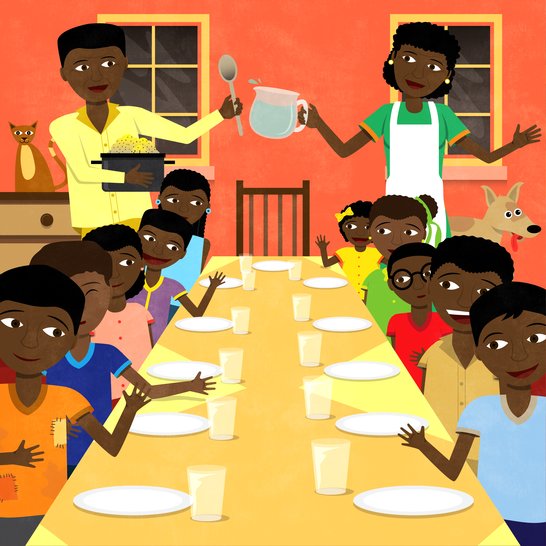
And so Magozwe moved into a room in a house with a green roof. He shared the room with two other boys.
Altogether there were ten children living at that house. Along with Auntie Cissy and her husband, three dogs, a cat, and an old goat.
Efyo Magozwe aile mukwikala mu muputule mu ŋanda yamutenge wa katapa-katapa. Aaleikalamo na balumendo bambi babili. Abaana bonse pamo abaleeikala muli ilya ŋanda baali ikumi. Elyo naba maama Cissy na balume baabo ne mbwa shitatu, puushi elyo ne mbushi iikote.
Magozwe gha tangire kuyenda kushure no ya mukarere ghukukutu. Gha karire no yinu yo yingi eyi gha nyandire kudimuka. Maruvudhe ghamweya nga shananga kuhupura. Ene gha ghayare ya muhingi manyunyi na mupepi gho pari mumambira ghaya. Yira hodiyo, mbadi gha shayekire.
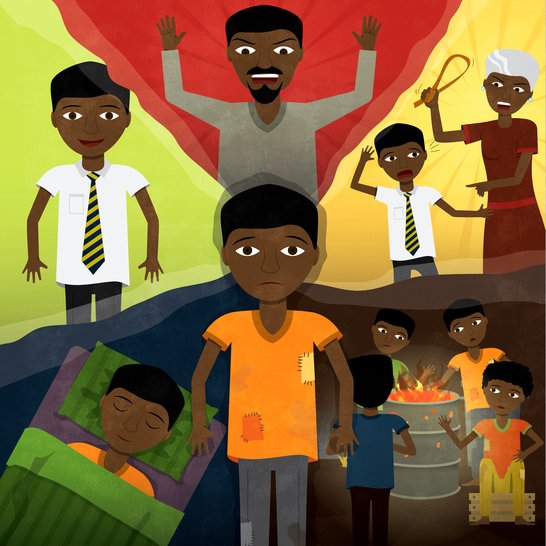
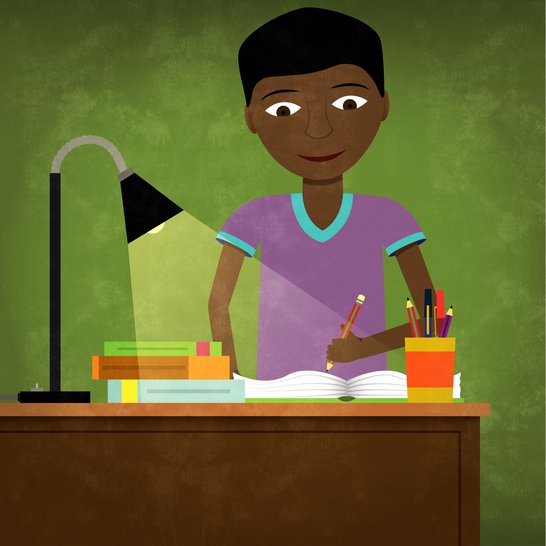
Magozwe started school and it was difficult. He had a lot to catch up. Sometimes he wanted to give up.
But he thought about the pilot and the soccer player in the storybooks. Like them, he did not give up.
Magozwe alyambile isukulu kabili lyalikosele. Fiingi ashaishibe ifyo aalingile ukwishiba pakuti alingane na banankwe. Limo-limo aaleefwaya no kuleka isukulu. Leelo aaleetontonkanyo pali kensha wandeke na kateya wa mupila abamumabuuku yakwe. Taalekele nga filya fine nabo bashalekele.
Magozwe gha hungumanine mudirapa ku ndhugho dhi dho thina mahako, ghutoya thithimwetwedhatjanga tho kushure. Thomas gheyire no kuna hungumana pepi nendi. “Kupi thina hatera tho thithimwetwedha?” ghepure Thomas. Tho kuhatera kwa mungaghu oyu gha gha karire mitiri,” gha huthire Magozwe. “Yidye dina dyendi mungaghu yu?” ghepure Thomas. “Dina dyendi ne Magozwe,” gha huthire Magozwe ghu menya-menya.
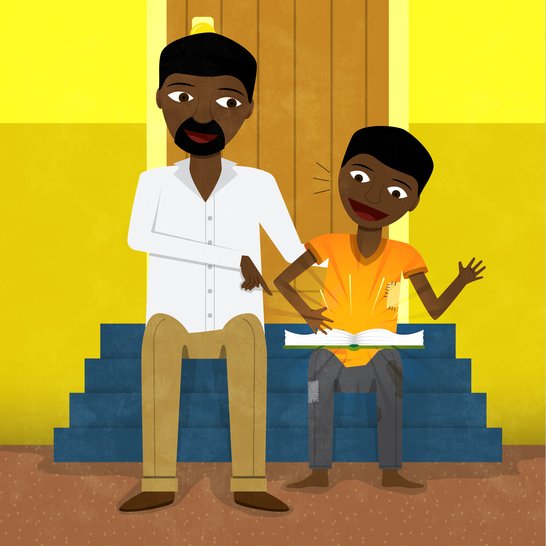
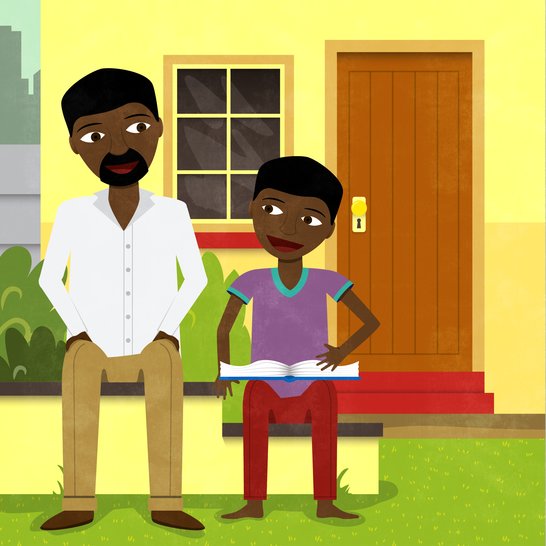
Magozwe was sitting in the yard at the house with the green roof, reading a storybook from school. Thomas came up and sat next to him.
“What is the story about?” asked Thomas.
“It’s about a boy who becomes a teacher,” replied Magozwe.
“What’s the boy’s name?” asked Thomas.
“His name is Magozwe,” said Magozwe with a smile.
Magozwe aikeele panse pa lubansa lwa ŋanda ya mutenge wa katapa-katapa, aleebelenga ibuuku lyaku sukulu. Thomas nao aishile ikala mupeepi nankwe. “Lilelanda pali cinshi ilyashi?” efyaipwishe Thomas. “Lileelanda pa mulumendo awaishileba kafundisha,” efyayaswike Magozwe. “Naani ishina umulumendo?” efyaipwishe Thomas. “Ishina lyakwe ni Magozwe,” efyalandile Magozwe ninshi aleemwentula.